
Essential Low-Voltage Systems for Modern Offices: A Facility Manager’s Guide
Posted By Remote Techs On 16-July-2025
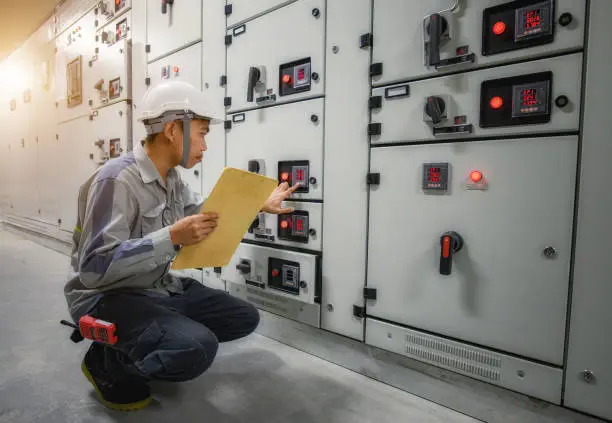
We understand that behind every productive, secure, and high-performing office environment lies a well-integrated network of low-voltage systems. These systems operate quietly in the background, yet they are foundational to modern office infrastructure. From communication and security to automation and energy management, low-voltage solutions are critical for facility managers looking to optimize operations and provide the right environment for business growth.
Our approach to modern office solutions focuses on smart integration and future-ready technologies. One such area we emphasize for our clients is 3CX VoIP Phone Support, an advanced communication system that seamlessly blends with low-voltage networks to enhance collaboration. But this is only one piece of the bigger picture. In this guide, we outline the key low-voltage systems every facility manager must know and how they align to drive performance, connectivity, and efficiency in today’s office environments.
What Are Low-Voltage Systems?
Low-voltage systems refer to electrical networks that operate on 50 volts (V) or less, often using cabling infrastructure such as Cat5e, Cat6, or fiber optic lines. These systems differ from standard electrical systems powering lighting or HVAC but are equally important in powering critical office technologies like:
- Voice and data networks
- Security systems (CCTV, access control)
- Fire alarms and emergency communications
- Audio/visual (A/V) setups
- Environmental and building automation systems
We at Remote Techs design, install, and maintain these systems to support smooth and safe workplace operations. What makes these systems essential is not just their function, but their ability to evolve and integrate with other office technologies for future scalability.
-
Structured Cabling: The Nervous System of Modern Offices
Every low-voltage system relies on a reliable cabling infrastructure. Structured cabling serves as the foundational layer that connects all networked devices across a facility.
We prioritize planning and installing structured cabling based on current needs and future growth. This ensures scalability and minimizes disruptions when technology changes. For example, upgrading from legacy phones to 3CX VoIP Phone Support becomes seamless when a solid cabling system is already in place.
Structured cabling also improves signal strength, data transmission speeds, and system reliability—key attributes for businesses that depend on high-performance connectivity.
-
3CX VoIP Phone Support: The Smart Evolution of Business Communication
One of the most transformative upgrades for office communication is the adoption of 3CX VoIP Phone Support. Unlike traditional PBX systems, 3CX is a software-based, low-voltage-powered VoIP solution that leverages the internet to route calls.
What makes 3CX standout for facility managers?
- Cost-Effective Communication: Reduces phone bills and hardware needs
- Unified Communications: Offers video, chat, call routing, and voicemail-to-email
- Remote Accessibility: Supports mobile and remote workers without compromising performance
- Easy Integration: Connects with CRMs and other business apps
- Enhanced Control: Web-based management console for real-time updates and monitoring
We integrate 3CX into your existing low-voltage framework to ensure your voice systems run in sync with your broader IT infrastructure.
-
Access Control Systems: Security Without Compromise
Modern offices require sophisticated yet discreet security systems. Access control technologies—such as card readers, biometric scanners, and smartphone-based entry—operate on low-voltage wiring and are central to managing secure office environments.
A well-implemented access control system helps manage who can enter specific parts of the building, logs access activity for audits, and can even integrate with other systems like alarms or CCTV. We help facility managers implement scalable systems that can support multiple entry points, remote monitoring, and user-level access permissions—all through centralized control panels.
-
CCTV and Surveillance: Eyes That Never Blink
Surveillance systems have evolved far beyond analog setups. Today, IP-based cameras powered by low-voltage networks provide high-definition video, cloud-based storage, AI motion detection, and real-time mobile access.
The efficiency of CCTV systems hinges on structured cabling and network configuration. We ensure all surveillance systems are optimized for bandwidth, secured from external threats, and accessible to facility managers with user-friendly dashboards. This integration is especially important for offices with large floor plans or hybrid staff working on flexible schedules.
-
Fire Alarm and Life Safety Systems: Compliance Meets Peace of Mind
Fire safety systems are one of the most regulated components of office infrastructure. They are also low-voltage systems requiring meticulous installation to meet compliance codes such as NFPA 72.
Contact Remote Techs For IT Support Los Angeles Today
We provide comprehensive, tailored solutions ensuring smooth and secure operations. Trust our expertise to empower your business for growth and resilience.
Contact UsThese systems include:
- Smoke and heat detectors
- Audible and visual alarms
- Emergency notification systems
- Interfacing with building automation and access systems
Facility managers must ensure these systems are tested, monitored, and integrated to coordinate with other emergency protocols. We at Remote Techs focus on compliant design, testing, and support to ensure complete coverage and reliability.
-
Audio/Visual Systems: Collaboration Tools that Work Seamlessly
From digital signage and intercoms to video conferencing and presentation setups, A/V systems require precise low-voltage design. Poor integration leads to latency, dropped connections, or poor-quality audio—all of which disrupt productivity.
We design A/V solutions that are not only functional but scalable. Whether it’s equipping huddle rooms with plug-and-play collaboration tools or setting up boardrooms for hybrid video conferencing, our systems work harmoniously within the office’s low-voltage ecosystem.
-
Environmental Control and Automation
Automation tools like smart lighting, energy usage monitors, and intelligent HVAC systems operate on low-voltage controls. They offer facility managers powerful tools to monitor, manage, and reduce energy consumption.
When integrated properly, these systems:
- Adjust lighting and temperature based on occupancy
- Optimize energy use to lower utility costs
- Provide data reports for ESG compliance or audits
- Improve employee comfort and productivity
We ensure all automation systems are integrated through a single interface, giving you centralized control over the physical environment.
-
IT Rooms and Rack Systems: Order in the Core
The server room or IT closet is often the central nervous system of the low-voltage infrastructure. It’s where cabling converges, routers and switches operate, and data meets delivery.
Proper rack management, cooling systems, and UPS (uninterruptible power supply) integration are vital. We work with facility managers to design IT rooms that maximize airflow, support redundant systems, and maintain easy accessibility for maintenance.
Why Integration Matters
Each of the systems above is important individually, but their real power lies in integration. When systems like 3CX VoIP Phone Support, access control, and environmental automation work together, the result is a truly intelligent office.
This integrated approach enables features like:
- Emergency lockdowns triggered by fire alarm detection
- Smart lighting that responds to occupancy and meetings
- Phone systems that adjust routing based on in-office presence
Our job at Remote Techs is to bring all these elements into harmony so facility managers can oversee operations through a single pane of glass.
5 FAQs About Low-Voltage Systems for Facility Managers
- What is the main advantage of using 3CX VoIP Phone Support in a low-voltage setup?
3CX operates on existing network cabling and requires less infrastructure than traditional systems. It also supports remote work, integrates with CRM tools, and reduces communication costs. - How often should low-voltage systems be inspected or upgraded?
We recommend annual inspections. Upgrades depend on technology changes, but systems should be reviewed during major IT or office renovations. - Can all low-voltage systems be managed centrally?
Yes. With proper integration, systems like access control, CCTV, phone, and building automation can be managed through centralized dashboards. - Are low-voltage systems compliant with safety regulations?
When installed by certified professionals like Remote Techs, all systems meet local codes and national standards such as NFPA, NEC, and OSHA. - Is it possible to retrofit older buildings with modern low-voltage infrastructure?
Absolutely. Retrofitting is common and cost-effective compared to full rebuilds. Remote Techs designs solutions that minimize disruption and maximize future readiness.
